
The Limits of Planning
The GodmotherRachel’s efforts to schedule love, pregnancy, work, and personal change reveal the difference between deliberate choice and control over outcomes.
increasing Bearing strength in each event
 decreasing
Bearing strength in each eventdecreasingLife Turned into a Timetable
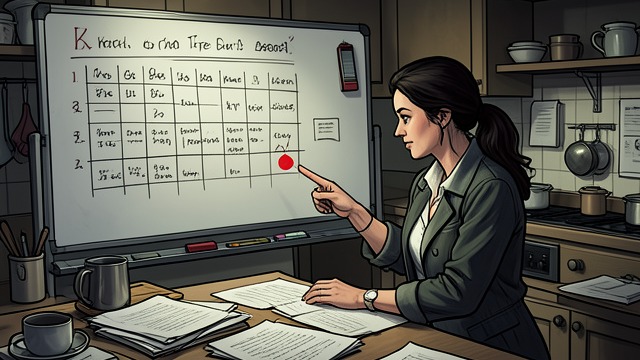
Life Turned into a Timetable
Rachel calculates a possible conception date, maternity leave, and return to work as if the future were a project plan.
Control Through Detail
Her practical skill makes the exercise feel reassuring. If she can fit a child into the calendar, she can imagine that no other part of her identity need change.
An Unexamined Premise
The timetable assumes Nathan’s cooperation and a successful pregnancy. Its neatness conceals how much depends on choices and events outside Rachel’s command.
The Doctor Names Chance

The Doctor Names Chance
Dr Abbot reassures Rachel that her examination shows no obvious obstacle, while explaining that conception still depends partly on chance.
Useful Preparation
The doctor recommends folate and offers practical guidance about timing. These measures give Rachel something constructive to do without promising a result.
Uncertainty Remains
Rachel is encouraged, but the consultation makes clear that good preparation cannot guarantee a pregnancy. The distinction between readiness and control becomes central to her decisions.
Weather Defeats the Schedule
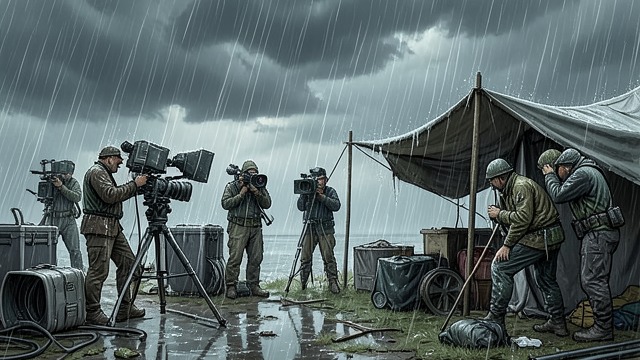
Weather Defeats the Schedule
Persistent rain repeatedly interrupts Rachel’s expensive sunscreen shoot and forces the team to improvise around damaged light and beaches.
Professional Problem-Solving
Rachel changes the commercial’s duration and increases product shots, trying to rescue the project without losing the client. Her work skills remain effective within limits.
An Uncontrollable Element
No plan can make the weather cooperate. The shoot mirrors Rachel’s private realization that preparation matters, but outcomes are not fully hers to dictate.
The Relationship Cannot Be Scheduled

The Relationship Cannot Be Scheduled
Rachel imagines that love with Robbie and a child might provide a coherent future, while withholding information that would let him choose freely.
A Private Shortcut
She treats conception as a way to settle multiple uncertainties at once. The plan is less a shared decision than a method of forcing events toward her desired destination.
Human Costs
The eventual rupture shows that one person’s strategy cannot substitute for mutual trust. Rachel’s attempt to manage the future has made the present less honest.
An Open-Ended Future

An Open-Ended Future
Rachel enters a new job and cautiously reconnects with Will without deciding that marriage or motherhood must be the measure of success.
Choices, Not Guarantees
Her work, friendships, godchildren, and home with Hamish each offer real possibilities, none of which promise a perfect outcome. She becomes more willing to live without a complete blueprint.
A Different Kind of Agency
Rachel’s growth lies not in controlling every result but in choosing honestly and letting other people make their own choices. The future is uncertain, but it belongs to her.
On the night Rachel considers pregnancy
At Dr Abbot’s consultation in late autumn
During the two-week Bermuda shoot
During the second chance with Robbie
Near the ending, after Rachel leaves her old agency
